

Royal Python
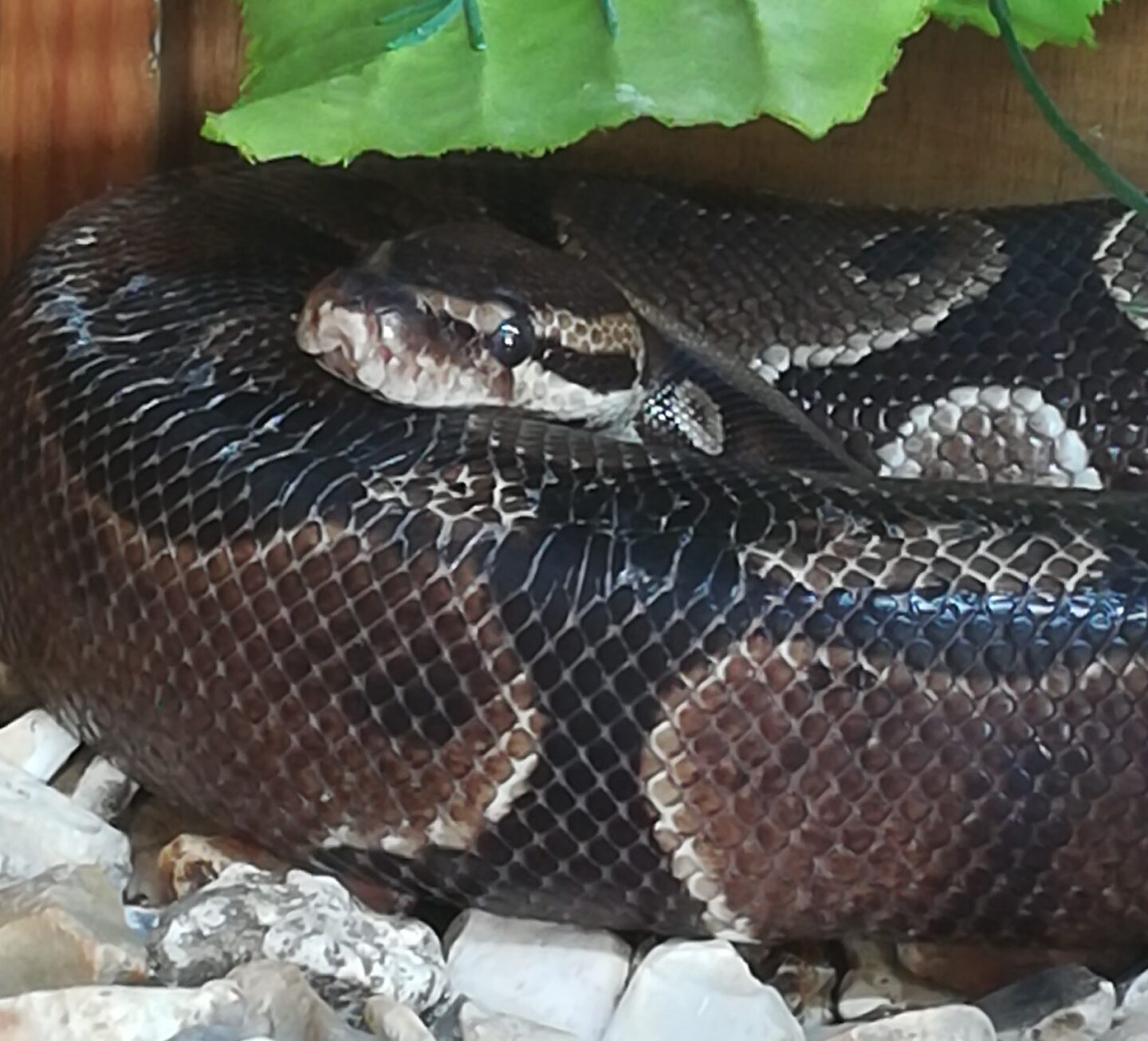
Although this species remains widespread in parts of West and Central Africa, the Royal Python is increasingly impacted by habitat loss due to agricultural expansion, bushmeat trade pressures, and capture for the exotic pet industry. In some regions, local populations are in decline where forest and savannah habitats are heavily disturbed.
Royal Pythons typically inhabit grasslands, savannah edges, and lightly wooded areas, where they shelter in burrows, termite mounds, or abandoned animal dens to maintain stable humidity and temperature.
Breeding usually takes place during the wetter months, with females laying clutches of around 3–11 eggs. The female coils around the eggs throughout incubation, which lasts approximately 55–60 days, providing protection and regulating temperature until hatching. Hatchlings are independent from birth and begin feeding on small prey such as rodents within their first few weeks.